 Phone: 904-890-0270
 Email: info@proformarine.com
Our Services
- Home
- Our Services
Our Services
Ship Design and Engineering
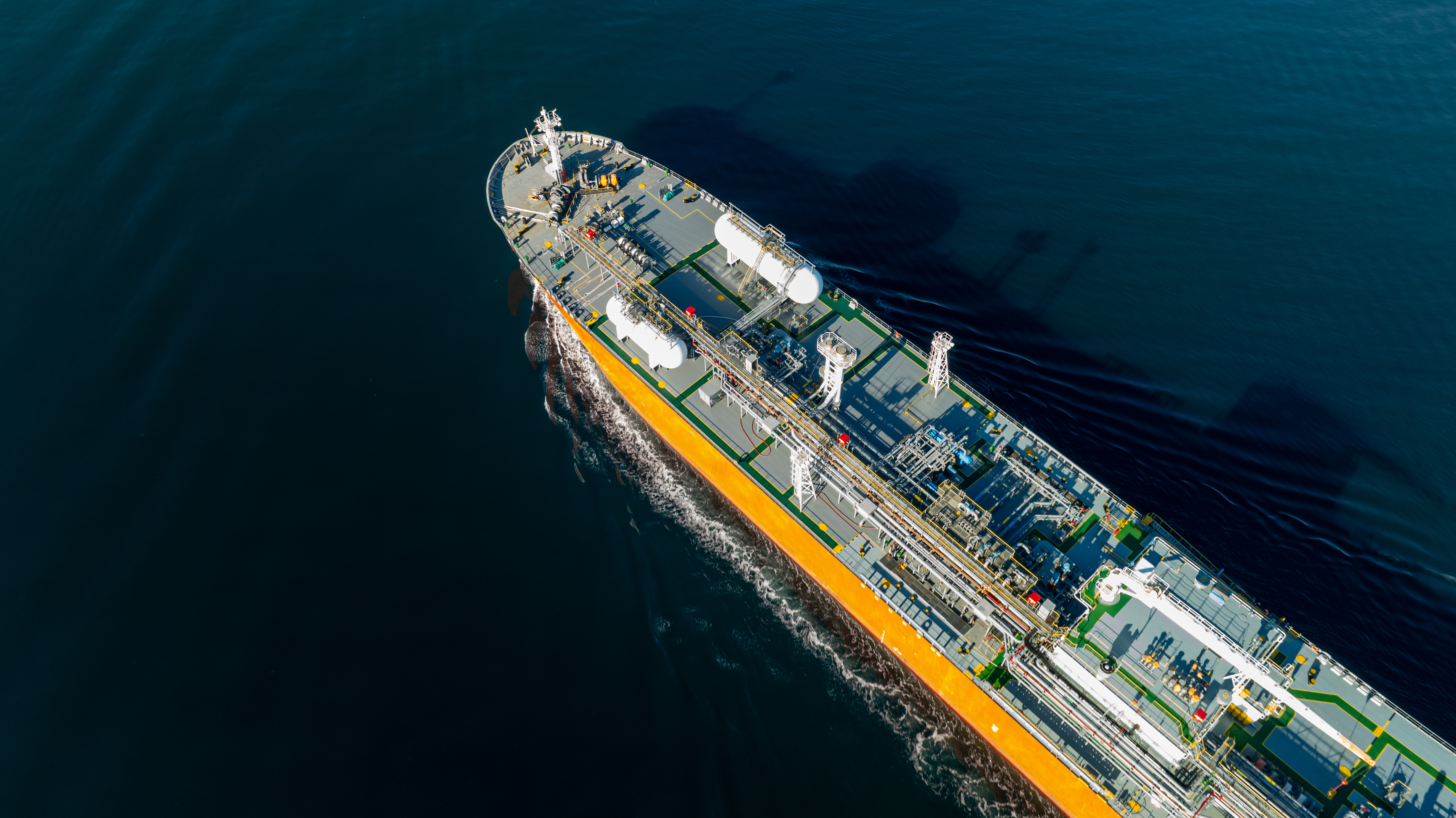
Vessels are developed from early-stage requirements into fully integrated engineering plans ready for construction. Hull form, structural layout, and onboard systems are engineered as a single coherent design rather than separate components — with a focus on performance, safety, and efficiency across demanding marine environments, for complex vessel types such as LNG carriers, tankers, and bulk carriers.
Technical Analysis and Consultancy
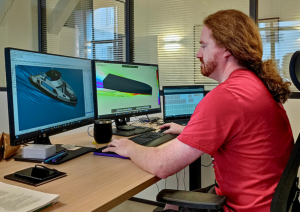
Engineering decisions are supported through detailed evaluation of vessel performance under real operating conditions. Simulations and calculations study hydrodynamics, structural loading, and system behavior across scenarios — identifying design risks early, improving efficiency, and guiding technical choices that enhance safety and long-term operational reliability.
Technical Documentation
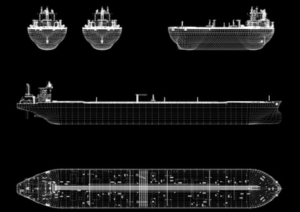
Engineering outputs are translated into structured technical packages suitable for shipyard execution and regulatory approval — drawings, specifications, calculation reports, and compliance documentation aligned with international maritime standards, organized for clarity and precision across construction, inspection, and lifecycle support.
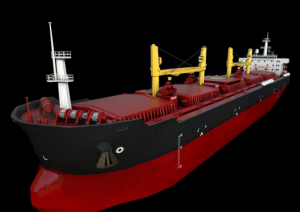
Technical Competencies
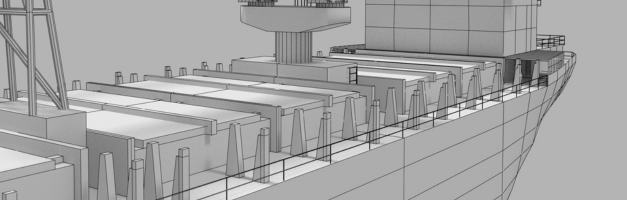
Naval Architecture & Hydrodynamics
Naval architecture and hydrodynamics form the foundation of all ship design activities. This discipline focuses on hull geometry, resistance, stability, and seakeeping performance in real ocean conditions. Engineers optimize vessel shapes to reduce drag, improve fuel efficiency, and ensure safe operation in rough seas. It applies across all ship types, including bulk carriers, tankers, and gas carriers like LNG carrier.
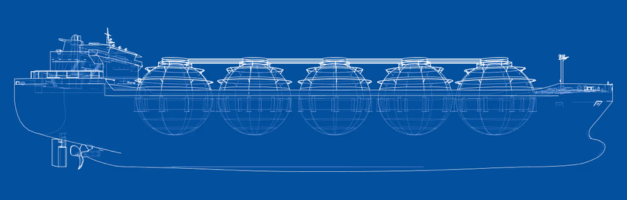
Cryogenic Engineering
Cryogenic engineering is essential for gas carrier design, especially for vessels transporting liquefied gases at extremely low temperatures. It focuses on maintaining stable cargo conditions, minimizing heat ingress, and managing boil-off gas systems. Engineers design insulation layers, containment systems, and thermal barriers capable of handling temperatures as low as -162°C. This discipline is central to LNG transport and advanced energy shipping systems.
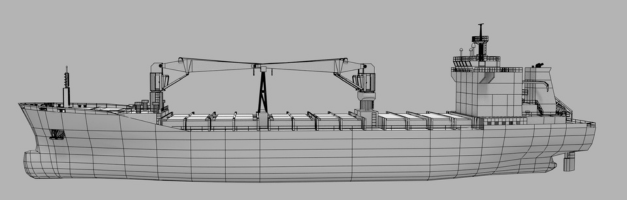
Cargo Containment System Engineering
Cargo containment system engineering focuses on how liquids and gases are safely stored inside the vessel. It includes tank design, structural reinforcement, and pressure management systems that ensure cargo integrity during transport. Engineers also analyze sloshing effects in partially filled tanks and ensure compatibility with different cargo types. This discipline is critical for LNG, oil, and chemical carriers operating globally.
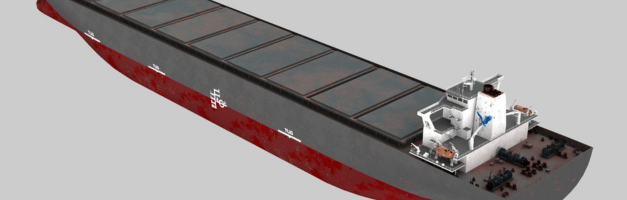
Structural Engineering & Fatigue Analysis
Structural engineering ensures that ships can withstand extreme mechanical loads over decades of operation. This includes global hull strength, local reinforcement, and fatigue analysis caused by wave loading and cargo cycles. Engineers model stress distribution across the vessel to prevent long-term material failure. It is especially important for large bulk carriers and fully loaded oil tankers operating in harsh sea conditions.
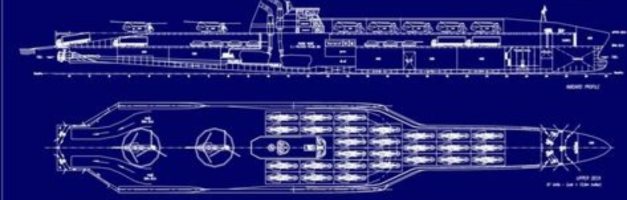
Fluid Dynamics & Cargo Sloshing Analysis
This discipline focuses on the behavior of liquids inside moving ships. Engineers analyze how cargo shifts under motion, especially in partially filled tanks. Sloshing forces can create significant structural stress in tank walls, particularly in LNG and chemical carriers. Computational models are used to predict internal fluid motion and ensure safe containment under all sea states and operational conditions.
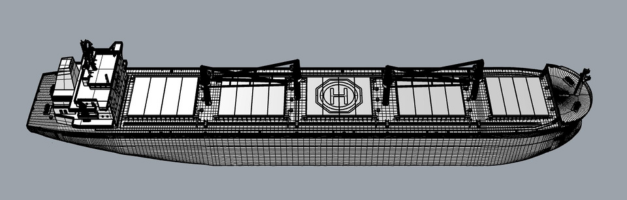
Chemical & Materials Engineering
Chemical and materials engineering ensures cargo compatibility and structural durability in corrosive environments. This includes selecting appropriate coatings, stainless steels, and protective linings for tanks carrying reactive or hazardous chemicals. Engineers also assess chemical stability, contamination risks, and long-term material degradation. It is especially important in chemical tankers carrying multiple cargo types simultaneously.

Thermal Engineering & Heat Transfer Systems
Thermal engineering manages heat flow within ship systems and cargo tanks. It is critical for both cryogenic and high-temperature transport operations. Engineers design insulation systems for LNG carriers and heating systems for bitumen and asphalt transport vessels. The goal is to maintain precise temperature control throughout the voyage, ensuring cargo remains stable, pumpable, and safe under varying environmental conditions.
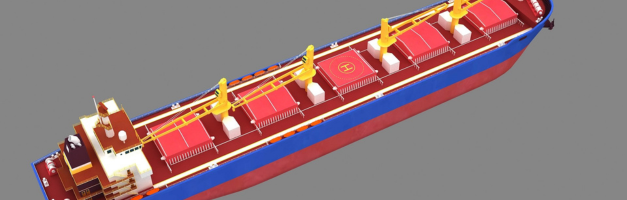
Mechanical & Propulsion Engineering
Mechanical and propulsion engineering focuses on how vessels move and operate efficiently at sea. This includes engine selection, fuel systems, propeller design, and energy optimization strategies. Engineers also integrate boil-off gas usage systems in LNG carriers and hybrid propulsion technologies in modern vessels. The goal is to maximize range, reduce fuel consumption, and ensure reliable performance across long ocean routes.
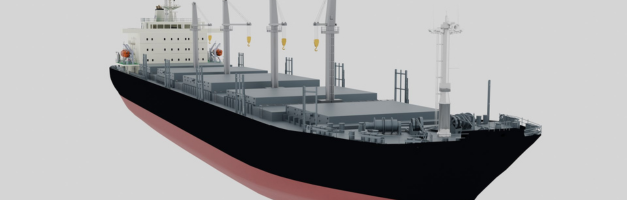
Offshore & Marine Systems Engineering
This discipline integrates all onboard mechanical and operational systems into a functional ship. It includes ballast water systems, cargo pumping networks, electrical distribution, fire safety systems, and automation controls. Engineers ensure all subsystems operate reliably together under harsh marine conditions. This integration is critical for operational safety and efficiency across tankers, bulk carriers, and gas transport vessels.
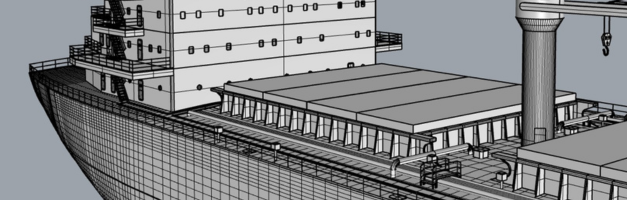
Environmental & Regulatory Engineering
Environmental and regulatory engineering ensures compliance with international maritime laws and sustainability standards. This includes emissions control, ballast water treatment, and fuel efficiency optimization under IMO regulations. Engineers design systems to minimize environmental impact while maintaining operational performance. It is increasingly important as global shipping moves toward decarbonization and stricter environmental compliance requirements across all vessel types.