 Phone: 904-890-0270
 Email: info@proformarine.com
Tankers
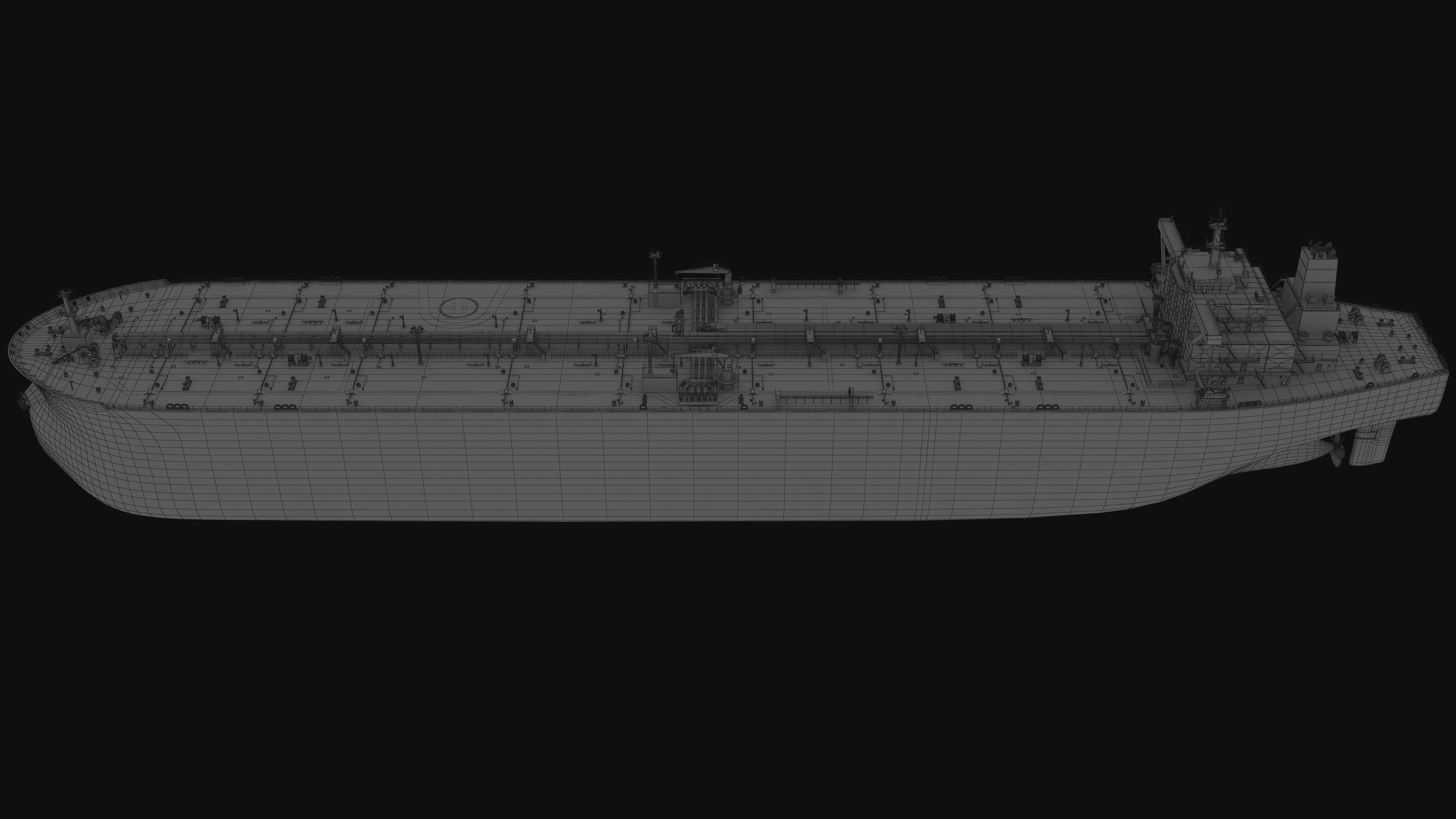
Tankers are a major category of maritime vessels designed for the transportation of liquid cargo in
bulk. Unlike dry cargo ships, tankers carry their products in large integrated tank systems that are
built into the hull structure. These vessels operate across global energy, industrial, and chemical
supply chains and represent one of the largest segments of commercial shipping.
Our engineering and design portfolio in the tanker segment focuses on three primary vessel types:
oil tankers, chemical carriers, and bitumen/asphalt carriers. Each vessel class has distinct cargo
requirements, but all share core principles of fluid dynamics, structural integrity, and safe liquid
handling under marine conditions.
Oil Tankers
Oil tanker represent the largest and most economically significant segment of tanker shipping
worldwide. These vessels transport crude oil from production regions to refineries, as well as refined
petroleum products such as diesel, gasoline, and jet fuel.
Oil tanker design is fundamentally driven by scale, efficiency, and safety. Modern crude carriers can
reach very large sizes (VLCC and ULCC classes), requiring advanced hull optimization to reduce
resistance and improve fuel efficiency over long ocean routes. Structural design is heavily
influenced by cargo weight distribution, sloshing effects, and strict environmental protection
standards.
A key engineering feature in oil tanker design is the use of double-hull construction, which
significantly reduces the risk of environmental contamination in the event of a hull breach. Cargo
tank arrangement is optimized to balance structural strength, stability, and operational flexibility,
while ballast systems ensure safe navigation under varying load conditions.
From an engineering perspective, oil tankers demand strong integration of hydrodynamics, structural
mechanics, and regulatory compliance. They also form the backbone of global energy logistics,
making them one of the most strategically important vessel types in commercial shipping.
Chemical Carriers
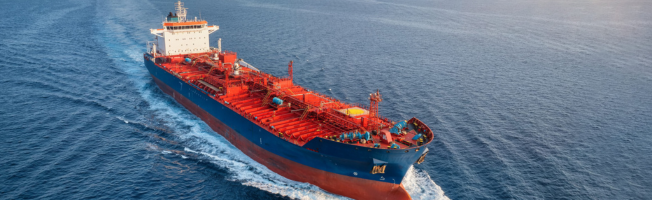
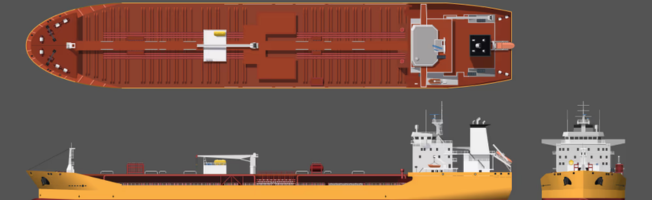
Chemical tanker are specialized vessels designed to transport a wide range of liquid chemicals,
many of which are hazardous, reactive, or temperature-sensitive. Unlike oil tankers, chemical
carriers often transport multiple cargo types simultaneously, requiring highly segmented and
corrosion-resistant tank systems.
The engineering complexity of chemical carriers lies in cargo diversity. Each tank may carry a
different substance with unique compatibility, requiring careful material selection, coating systems,
and segregation design. Stainless steel tanks or specialized coatings are commonly used to prevent
contamination and chemical reactions between cargoes.
Safety systems are significantly more complex than standard tankers due to the toxic, flammable, or
reactive nature of many cargoes. This includes advanced inert gas systems, vapor recovery systems,
and strict cargo handling protocols.
Chemical carrier design emphasizes flexibility, corrosion resistance, and regulatory compliance
across a wide range of international chemical transport standards.
Bitumen / Asphalt Carriers
Bitumen tanker (also known as asphalt carriers) are specialized vessels designed to transport highly
viscous petroleum products such as bitumen and asphalt. These materials must be kept at elevated
temperatures to remain in a pumpable liquid state during transport.
The primary engineering challenge in bitumen carrier design is thermal management. Cargo tanks
are equipped with heating systems, insulation layers, and circulation mechanisms to maintain
consistent temperature throughout long voyages. Without controlled heating, the cargo would
solidify, making discharge operations impossible.
Structural design also accounts for the heavy and dense nature of bitumen, which places significant
stress on tank structures and pumping systems. Cargo handling systems are designed for hightemperature operation and must maintain reliability under harsh thermal cycling conditions.
Although smaller in global volume compared to crude oil shipping, bitumen carriers play an
essential role in infrastructure development, particularly in road construction and industrial
applications.
Integrated Tanker Design Philosophy
While oil, chemical, and bitumen carriers serve different industrial needs, they share a unified engineering foundation based on liquid cargo transport principles. Our design approach leverages common methodologies across all tanker classes, enabling efficiency, consistency, and innovation across vessel types.
Key shared engineering principles include:
• Hydrodynamic optimization for fuel efficiency and range
• Structural reinforcement for liquid cargo sloshing and load distribution
• Advanced tank system design for safety and containment integrity
• Corrosion protection and material optimization
• Compliance with international maritime safety and environmental regulations
This integrated approach allows for cross-application of engineering advances, where improvements
in one tanker type often benefit the entire portfolio.