 Phone: 904-890-0270
 Email: info@proformarine.com
Bulk Carriers
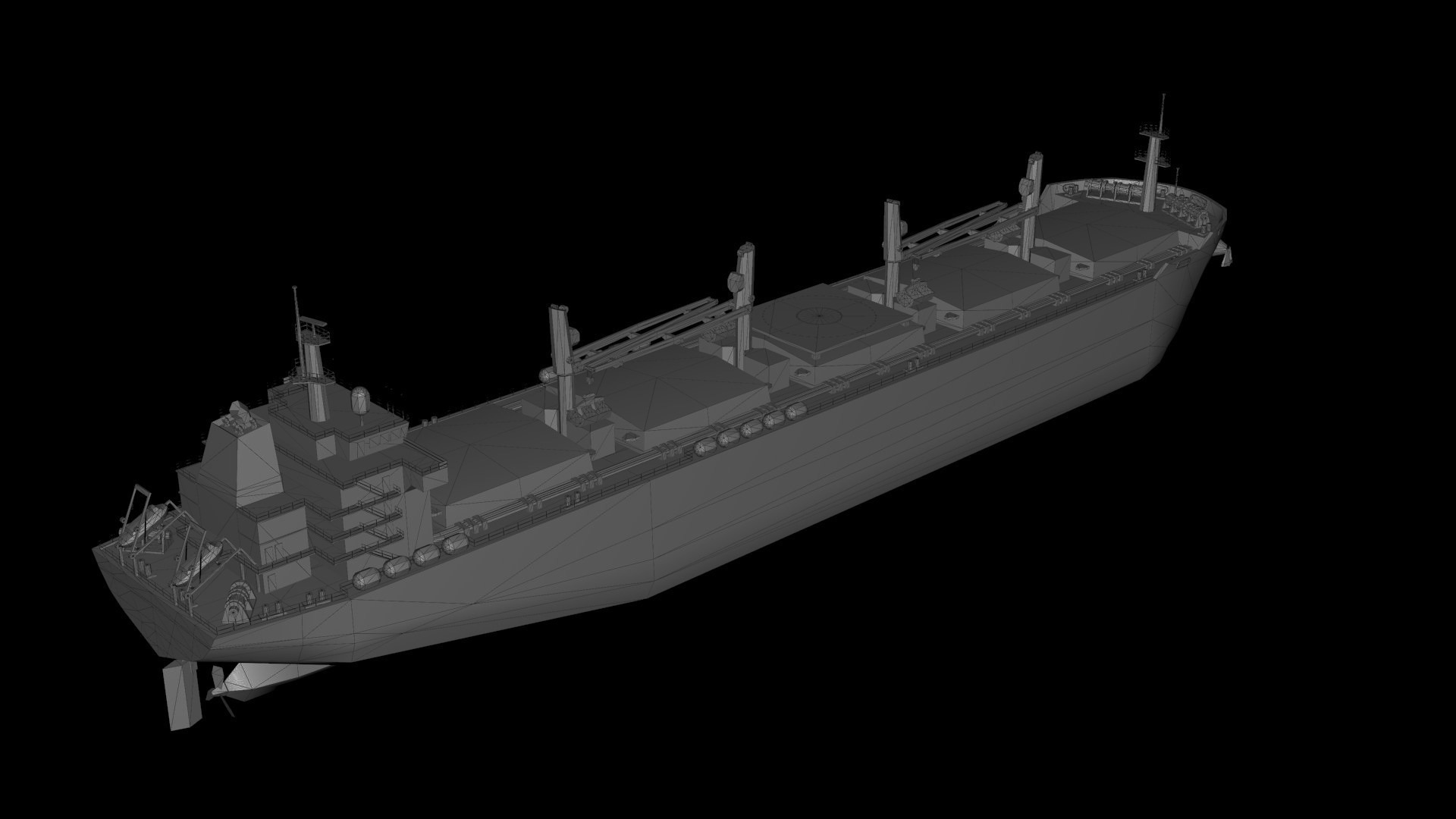
Bulk carriers are a major category of merchant vessels designed to transport large volumes of unpackaged dry commodities. Unlike tankers, which carry liquids in sealed tanks, bulk carriers transport raw materials directly in large cargo holds. These ships are a critical part of global supply chains, moving the foundation materials used in construction, energy production, and heavy industry. Our engineering and design portfolio in the bulk carrier segment focuses on three primary cargo types: iron ore, coal, and cement. While all three belong to the dry bulk category, each has distinct physical properties that influence vessel design, cargo handling systems, and structural requirements.
Iron Ore Carriers
Bulk carrier used for iron ore transport are among the most structurally demanding ships in
commercial shipping. Iron ore is extremely dense, meaning vessels often reach their maximum
weight limits long before their cargo holds are fully filled by volume. This creates unique structural
challenges that are central to the design process.
Iron ore carriers are typically large or very large bulk carriers, engineered with heavily reinforced
hull structures and optimized internal framing to distribute extreme loads safely. The design must
account for repeated high-stress loading cycles over the vessel’s lifetime, making fatigue resistance
a key factor in structural engineering.
Operational routes for iron ore carriers are usually long-haul voyages between mining regions and
steel production hubs. As a result, efficiency in hull form design and propulsion systems plays an
important role in reducing fuel consumption while maintaining structural strength under heavy load
conditions.
Coal Carriers
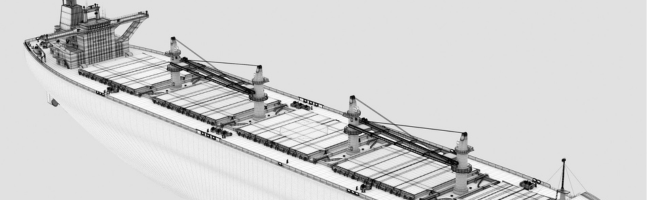
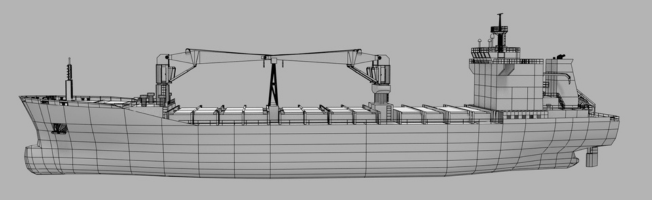
Coal carriers are also part of the bulk carrier family and are designed to transport large quantities of
coal for energy generation and industrial use. While coal is less dense than iron ore, it introduces
different operational considerations related to cargo behavior and environmental safety.
Coal can shift during transit if not properly trimmed, which affects vessel stability and requires
careful cargo loading procedures. In some cases, coal may also emit gases or present combustion
risks, which makes ventilation and monitoring systems important components of the vessel design.
Coal carriers are designed for high-volume efficiency, with emphasis on stable cargo distribution,
safe handling procedures, and optimized hull performance for long-distance transport. These vessels
remain widely used in global energy logistics, even as energy systems evolve.
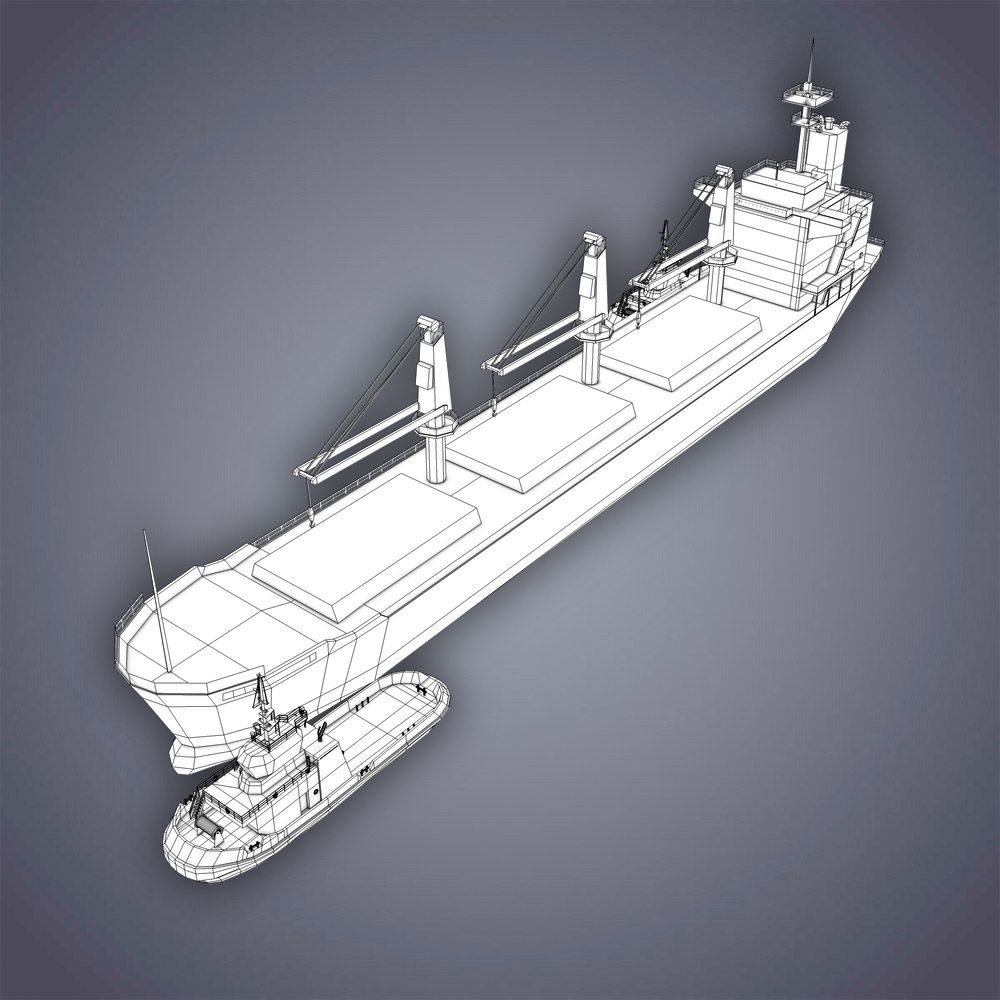
Integrated Bulk Carrier Design Philosophy
While iron ore, coal, and cement carriers serve different industrial roles, they share a common engineering foundation based on dry bulk transport principles. Our design approach applies a unified methodology across all bulk carrier types while tailoring systems to specific cargo characteristics.
Key shared engineering principles include:
• Structural optimization for heavy and uneven cargo loading
• Hydrodynamic efficiency for long-distance fuel performance
• Stability analysis under shifting or high-density cargo conditions
• Cargo hold design adapted to material-specific behavior
• Compliance with international bulk shipping safety regulations
This integrated approach allows engineering efficiencies across vessel classes while maintaining
specialized solutions for each cargo type.